In partnership with

Hi friend,
Chances are, you know someone who has been told, “Your cholesterol is high.”
For many people, the next step is familiar: you sit in the doctor’s office, hear those words, and before you’ve had the chance to ask many questions, a prescription is offered to help bring those numbers down.
But what if there’s more to the story?
What if we looked beyond the number on the lab report and asked why cholesterol is elevated in the first place? What other factors might be influencing it? And what can we do through nutrition, lifestyle, stress management, and other foundational changes to support better metabolic health?
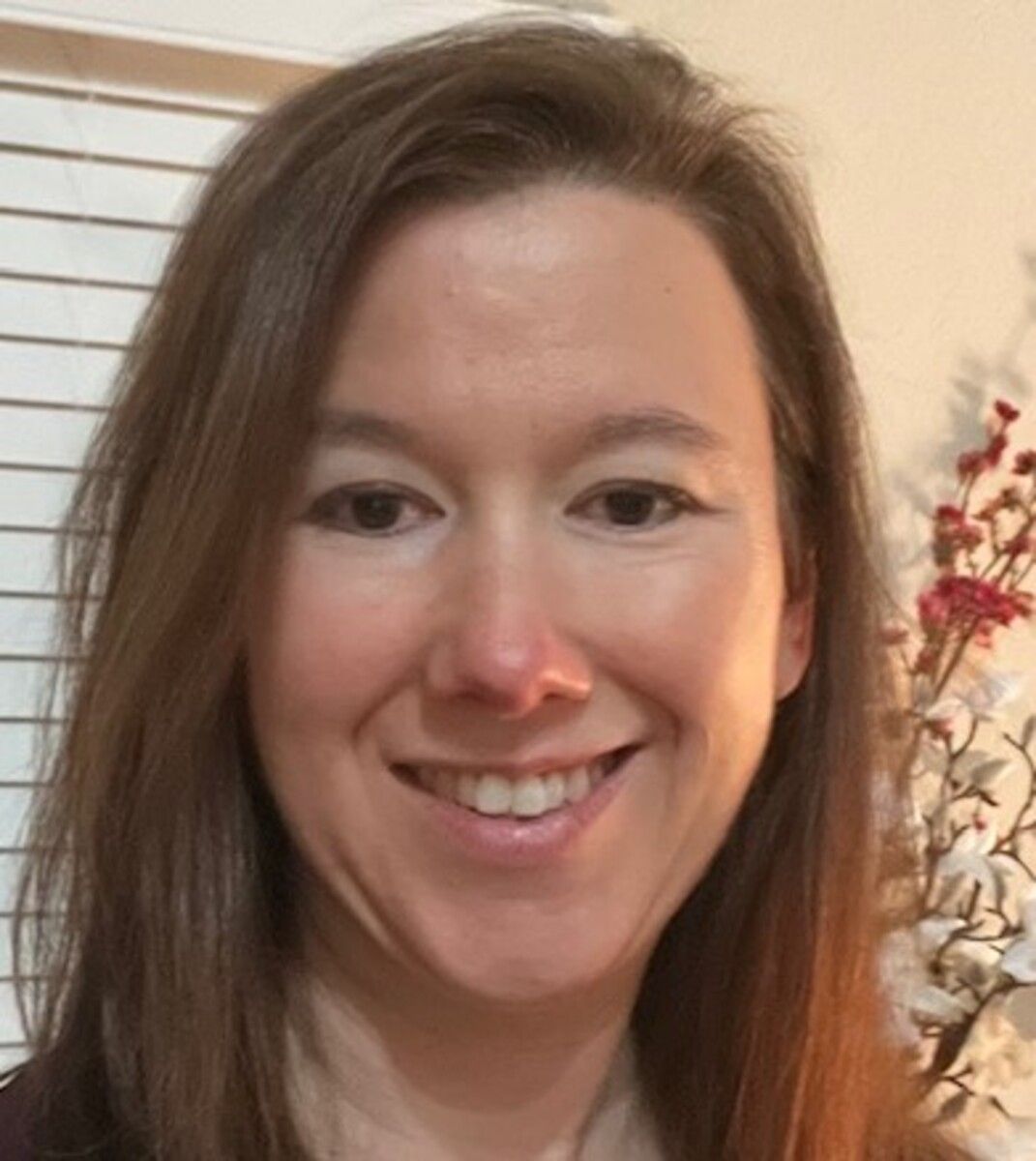
I want to share a story today about a dear friend of mine.
With her full permission, I’m sharing her numbers, her persistence, her “just keep going” attitude, and the changes that ultimately helped move the needle.
Because progress doesn’t happen overnight. It takes consistency, patience, and a willingness to keep looking for the bigger picture.
Her story is a perfect example of why I believe we shouldn’t just look at a number—we should look at the whole person behind the number.
Her Story
She's been at this for years. Truly diligent — someone who has methodically tried one approach after another. Different diets. Various supplements. These attempts taught her things about her body, but neither one touched her cholesterol the way she needed.
Then she shifted to a Mediterranean-style way of eating — olive oil, fatty fish, legumes, whole grains, nuts, vegetables at nearly every meal — added a daily supplement, called Dose, into her routine, and became vigilant about reducing and avoiding seed oils.
Here's what happened:
January 2026: Total cholesterol 357 mg/dL

January 2026: Total cholesterol 357 mg/dL
August 2026: Total cholesterol 288 mg/dL

August 2026: Total cholesterol 288 mg/dL
That's a drop of 69 points in about seven months!
While 288 is still above the <200 mg/dL range — she's not done, and neither is her story. A 19% reduction through diet and lifestyle alone, without a single new prescription, is not nothing. It's real, measurable progress, and she's not stopping.
A necessary note: her results are her results. Genetics, starting point, other health conditions, and consistency all play a role in how any one person's body responds. This isn't a promise of what will happen for you — it's a real example of what's possible when someone stays consistent with a whole-foods approach. Please don't start or stop any medication if you have existing health conditions, without looping in your doctor first.
What the Research Actually Says About Diet and Cholesterol
I know statins are often presented as the default first step, but research consistently shows that diet quality moves the needle on cholesterol too, sometimes significantly.
The PREDIMED trial — one of the largest and most respected nutrition studies ever conducted — followed thousands of people at high cardiovascular risk and found that a Mediterranean-style diet paired with weight-loss support led to lower LDL and non-HDL cholesterol, along with higher HDL, over a year of follow-up. A more recent meta-analysis of randomized trials found Mediterranean diet interventions reduced LDL cholesterol by an average of 8 mg/dL compared to control diets — on top of improvements in blood sugar and blood pressure.
Other research digs even deeper than the standard cholesterol number. One study following the Mediterranean diet found it didn't just lower LDL — it made the LDL particles themselves less dangerous: increasing resistance to oxidation, reducing oxidative damage, and shifting particles toward larger, less artery-damaging sizes. That distinction matters, because not all cholesterol behaves the same way in your arteries.
What actually seems to move cholesterol in the research:
Extra virgin olive oil and nuts (the two most-studied Mediterranean staples)
Fiber from vegetables, legumes, and whole grains
Reducing ultra-processed food and sugar
Consistency over months, not days
The Lab Tests More Cardiologists Are Talking About
Standard cholesterol panels only tell part of the story. Increasingly, cardiologists are looking beyond total cholesterol and LDL toward more precise markers of cardiovascular risk:
ApoB — counts the actual number of cholesterol-carrying particles in your blood, which research shows predicts heart attack risk more reliably than LDL alone.
Lp(a) — a genetically determined particle that raises risk independent of your LDL. It's typically checked once, since it doesn't change much over a lifetime.
hs-CRP — a marker of vascular inflammation. The landmark JUPITER trial showed it identifies risk even in people whose LDL looks "normal."
Coronary Artery Calcium (CAC) score — a CT scan that directly visualizes calcium buildup in the heart's arteries, shown in large studies to be one of the strongest predictors of future heart attacks.
These aren't experimental tests — they're increasingly part of mainstream cardiology risk assessment. If your cholesterol has been a long-standing concern, it's worth asking your doctor whether any of these make sense for you.
Practical Takeaways
Cholesterol numbers can move with diet — give it months, not weeks, and expect gradual change, not a change overnight.
A Diet that consists of whole foods. The strongest evidence points toward eating more of whole foods, olive oil, and fiber and avoiding ultra processed foods.
Reduce and avoid seed oils. Seed oils are common in chips, crackers, fried foods, fast food, baked goods, and packaged snacks. A diet high in these foods can contribute to excess calories, insulin resistance, triglyceride elevation, and metabolic dysfunction—even if the oil itself isn't directly raising LDL
Ask about the fuller picture. ApoB, Lp(a), and hs-CRP can offer more nuance than a standard panel alone.
Never adjust medication on your own. Work with your doctor, especially if you're currently on a statin or have existing heart disease.
Faith Corner
Healing rarely comes all at once. My friend's numbers didn't drop overnight — they dropped because she kept showing up, meal after meal, month after month, even when the progress was slow. That's not just a nutrition principle. That's a faith principle too. Consistency, even in small unseen ways, is its own kind of obedience.
"But those who hope in the Lord will renew their strength. They will soar on wings like eagles." — Isaiah 40:31
Your body was designed to thrive. Sometimes it just needs the right building blocks to remember how.
With faith, science, and wellness,
Liz, The Wellness Nurse 🌿
Registered Nurse | Certified Mental Wellness Coach
P.S. Did any of this resonate with you? Hit reply and share- I read every response and want to hear from you.
P.P.S. If you've been reading these newsletters and finding yourself thinking, "This sounds like me, but I'm not sure where to begin," you're not alone.
Restoring balance to your cortisol, nervous system, gut health, and sleep doesn't happen through one supplement, one habit, or one perfect week. It happens through small, consistent steps practiced over time.
That's why I created my 6-Month Foundational Restoration Program—a simple, step-by-step roadmap designed to help you restore your health without overwhelm.
Over six months, we'll walk through:
• The Complete Gut Microbiome Repair Protocol
• The Complete Vagus Nerve Protocol
• The Gut-Stress Connection Protocol
• The Complete Sleep Restoration Protocol
• The 30-Day Mind Renewal Program
• The Nutrition & Anti-Inflammatory Guide
Instead of trying to fix everything at once, you'll learn how to build habits that support your body's natural ability to heal, helping you improve your digestion, stress resilience, sleep, energy, mood, and overall well-being.
If you're tired of piecing together health advice from dozens of different sources and are ready for a clear, practical path forward, I'd be honored to walk alongside you.
Smart starts here.

You don't have to read everything — just the right thing. 1440's daily newsletter distills the day's biggest stories from 100+ sources into one quick, 5-minute read. It's the fastest way to stay sharp, sound informed, and actually understand what's happening in the world. Join 4.5 million readers who start their day the smart way.

⚕️ Medical Disclaimer The content in The Wellness Nurse is for educational purposes only and is not intended as medical advice, diagnosis, or treatment. Always consult your healthcare provider before making changes to your diet, supplement routine, or health practices.